
Blog
Sunroom Additions in Rochester: Three-Season vs. Year-Round Options for Upstate Homes
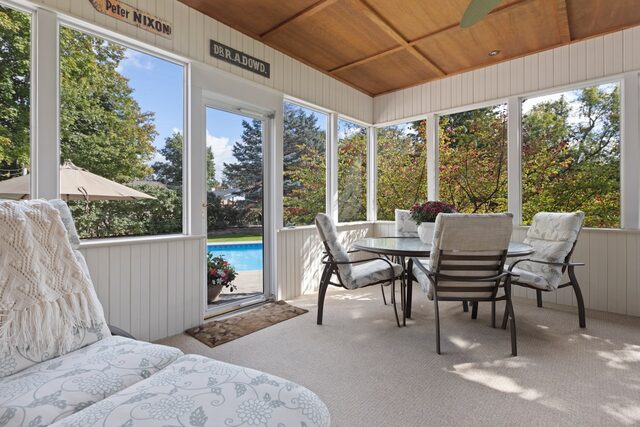
There's a particular kind of light in upstate New York that homeowners here learn to love. Late winter sun cutting low across snow. Spring mornings warming up after a long cold stretch. Long summer evenings that seem to last forever. Fall afternoons with the leaves on fire. The problem is that most homes in Rochester aren't designed to actually let you experience that light from inside. You see it through a window or out across the yard, but you don't really get to live in it.
That's exactly the problem a sunroom addition solves. Done right, a sunroom turns into one of the most-used rooms in the entire house, the place where your morning coffee happens, where you read in the afternoon, where the kids do homework, and where you find yourself drifting whenever the light is good. For Rochester, Spencerport, and Monroe County homeowners thinking about a sunroom, the most important decision you'll make is whether to build a three-season room or a year-round room.
Thinking about adding a sunroom? Contact Mallette Quality Construction for a free consultation.
The Real Difference Between a Three-Season and a Year-Round Sunroom
The terms get used loosely in the industry, but the actual distinction matters a lot when you're planning a sunroom for upstate New York's climate. Here's what the difference really means in practical terms.
A three-season sunroom is built to be enjoyed in spring, summer, and fall. It's typically not connected to the home's central heating and cooling system, has lighter-weight insulation in the walls and ceiling, and uses windows and doors that are weather-resistant but not built to the same thermal performance as the main living spaces. It's a beautiful room from April or May through October, and it gets closed up or used minimally during the deepest part of winter.
A year-round sunroom, sometimes called a four-season room or all-season addition, is built to the same standard as the rest of your home. It has full insulation, high-performance windows and doors, integration with the home's HVAC system, and finishes that work in both summer humidity and winter cold. It functions as a true extension of your living space twelve months a year, and from inside it should feel just as comfortable in January as it does in July.
Both can be beautiful. Both can add value. But they serve different purposes, cost different amounts to build, and deliver different daily experiences. Understanding the trade-off is the first step in deciding which one is right for you.
When a Three-Season Room Is the Right Call
For some homeowners, a three-season room is genuinely the better fit. The most common scenarios where it makes sense:
You already have plenty of indoor living space. If your home is well-sized for your family in the main living areas and you're really just looking to extend the outdoor season, a three-season room delivers exactly that without the additional investment of full thermal performance.
You want a strong indoor-outdoor connection. Three-season rooms often feel more like a screened or glazed extension of the patio than an extension of the house. If that porch-like feeling is what you're after, that's a feature, not a limitation.
The space is being added to a part of the home that wouldn't justify full HVAC integration. Sometimes the practicalities of where the room is going make a three-season approach the more sensible build.
The budget priorities are elsewhere. A three-season room is a meaningful investment, but it's typically a less involved build than a fully integrated four-season space. For homeowners balancing this against other priorities in the home, that can be a deciding factor.
The trade-off, and we say this honestly because Rochester winters are not gentle, is that a three-season room will be a less-used room from roughly Thanksgiving through early March. If that's a trade you're comfortable with, the room can still be one of your favorite spaces in the house for the eight or nine months it's in active use.
When a Year-Round Sunroom Pays for Itself
For most of the homeowners we work with in Monroe County, the year-round sunroom turns out to be the better long-term decision. Here's why:
You actually use the room every day. A year-round sunroom isn't a seasonal amenity. It becomes part of how the family lives. Coffee in the morning. Reading in the afternoon. Hosting in the evening. That daily use, multiplied across years, is the real return on the investment.
Upstate winters are long. Cutting yourself off from a beautiful room for four or five months a year is a meaningful loss. A year-round sunroom flips that calculation. Some of the best moments in the room are winter mornings with the sun coming up over snow, with you inside in shorts and a t-shirt with your coffee.
It adds finished, conditioned square footage to your home. Year-round sunrooms count differently in appraisals than three-season rooms because they're integrated into the home's heated and cooled square footage. The value impact at resale is meaningfully stronger.
It functions as a flexible living space. It can be a sitting room, a dining room, a home office, a reading nook, a hosting space, or all of those things at different times. That kind of flexibility is hard to design into a three-season room.
Want help thinking through which approach is right for your home? Call us at (585) 755-8699.
Design Choices That Matter More in Upstate New York
Building a sunroom in Rochester is a different design challenge than building one in a milder climate. The decisions that matter most for our local conditions:
Window selection is critical. The whole point of the room is the glass, but the wrong glass turns the room into an oven in summer and a cold spot in winter. We specify high-performance, low-E glass with appropriate solar heat gain coefficients for each elevation of the room, and we think carefully about operable versus fixed windows for ventilation, views, and energy performance.
Roof design has to account for snow loads. A sunroom roof in Rochester has to handle real winter weather. Glass roofs and skylights look stunning but require careful engineering and the right product specification to perform here. Insulated solid roofs with strategically placed skylights often deliver a better balance of light and performance for our climate.
HVAC integration deserves careful planning. If you're building a year-round room, how it ties into the existing system matters enormously. A poorly planned HVAC tie-in results in a room that's always a few degrees off from the rest of the house. Done right, the room is invisible to your comfort.
The transition from old to new should feel intentional. The doorway or opening from your existing home into the new sunroom is one of the most important architectural details in the project. A clumsy transition makes the addition feel tacked on. A thoughtful transition makes the new room feel like it was always meant to be there.
Why Builder Choice Matters Even More for a Sunroom
Sunrooms are deceptively complex projects. From the outside they look simple, basically a room made of windows. But the engineering, weatherproofing, structural integration, and thermal performance challenges are all elevated compared to a typical addition. A sunroom built by someone who treats it as a basic glass-walled box will leak, fog up, fail thermally, and frustrate you within a few years.
A sunroom built by a contractor who understands what they're doing performs the way you imagined it would, for as long as you own the home. Mallette Quality Construction has been building additions of every type in the Rochester and Monroe County area for over three decades. Jason runs every project hands-on. Andrea works through the design and selections process with you so the room is exactly what you want it to be. The result is a sunroom you'll genuinely love using, not one you'll fight with.
Let's Talk About Your Sunroom
If you've been picturing a sunroom on the back of your home for years, we'd love to walk the property with you and start the conversation. We'll talk through three-season versus year-round, look at the spot you have in mind, listen to what you're hoping to use the room for, and put together a plan that fits your home and your goals.
You don't need to have it all figured out before you call. Most of our best projects start with a conversation that helps the homeowner figure out what they actually want. That's part of what we do.
Contact Mallette Quality Construction today to schedule your free consultation. We serve Rochester, Spencerport, and all of Monroe County, NY. Call us at (585) 755-8699.
‹ Back
Recent Posts
-
-
-
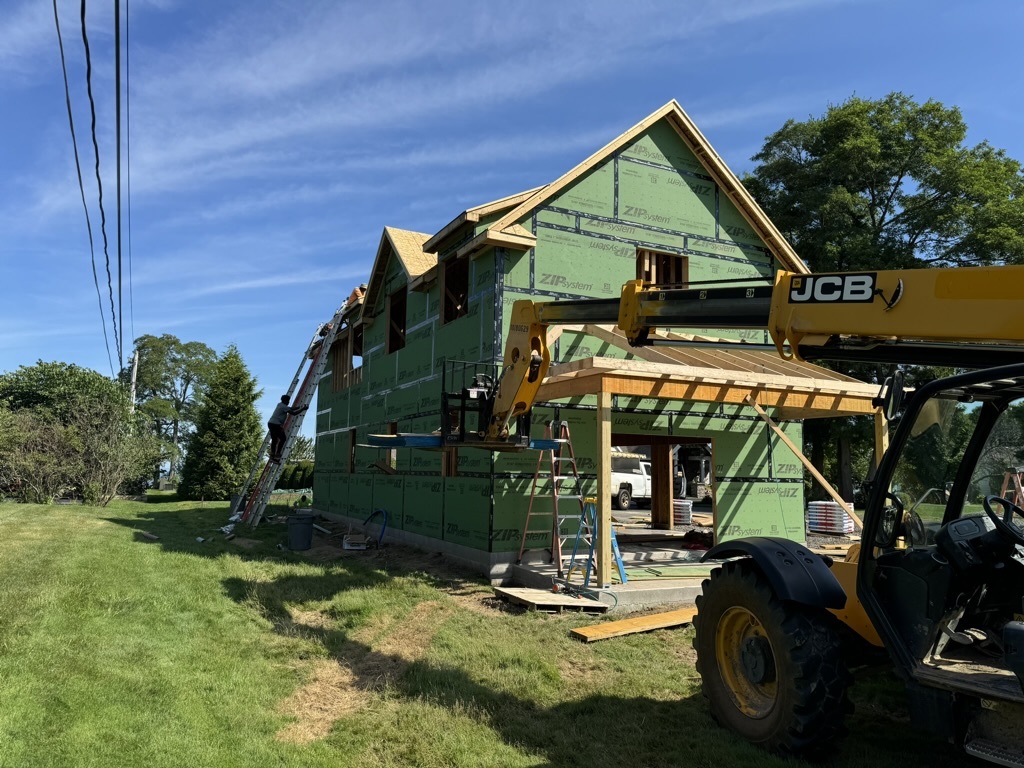
Lakefront and Waterfront Home Builds: Designing for Upstate NY's Shorelines
September 29, 2026
-
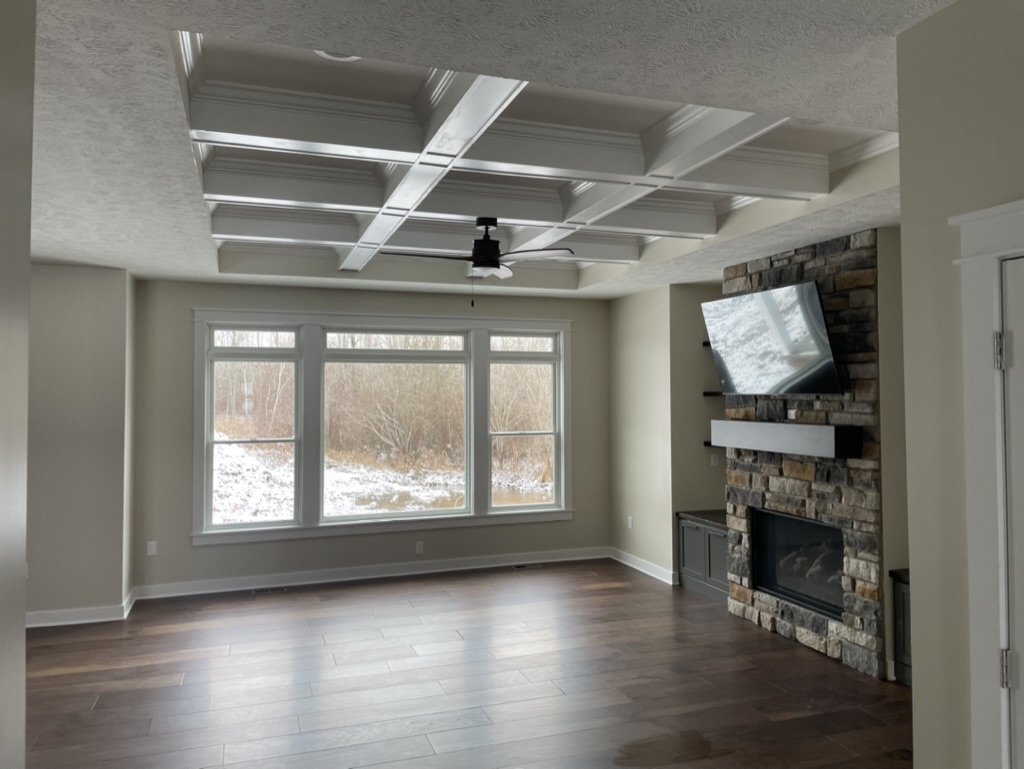
Working With Your Insurance Company After Home Damage: A Homeowner's Guide
September 25, 2026
-
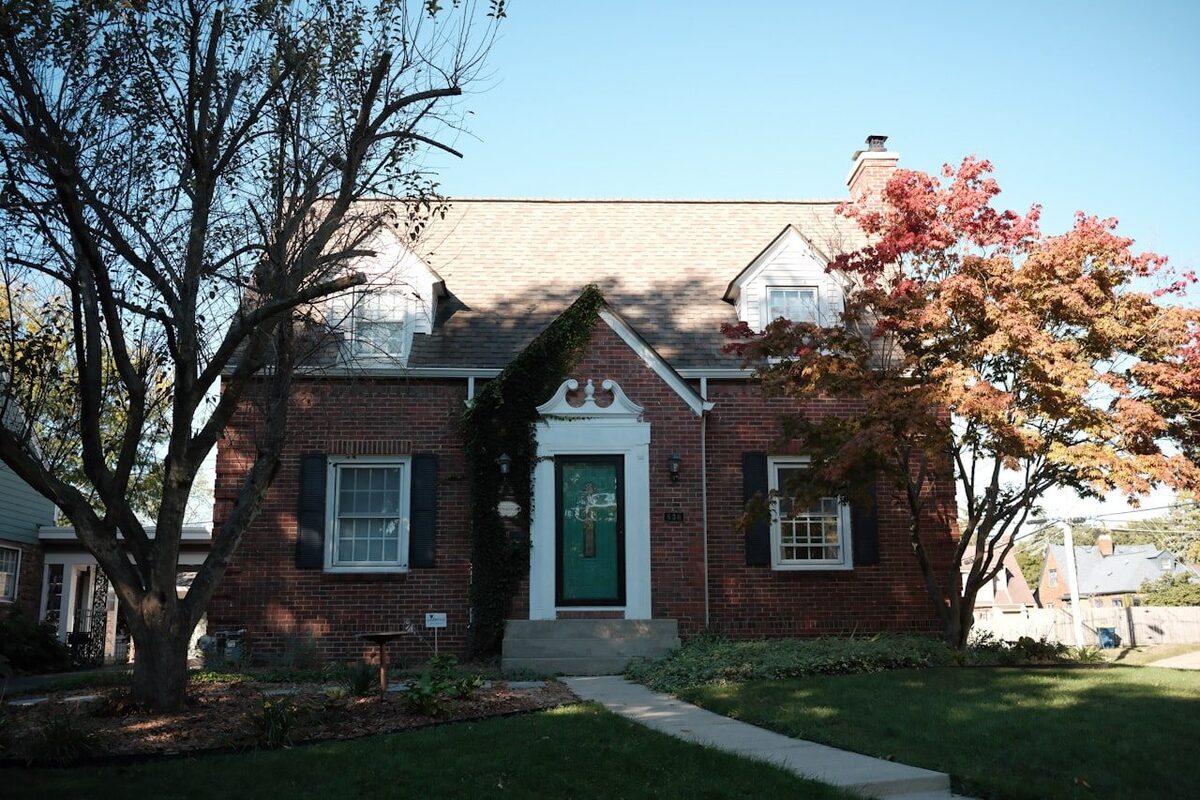
Boosting Curb Appeal: Exterior Upgrades That Transform a Rochester Home
September 20, 2026