
Blog
Matching a New Addition to Your Home's Existing Architecture
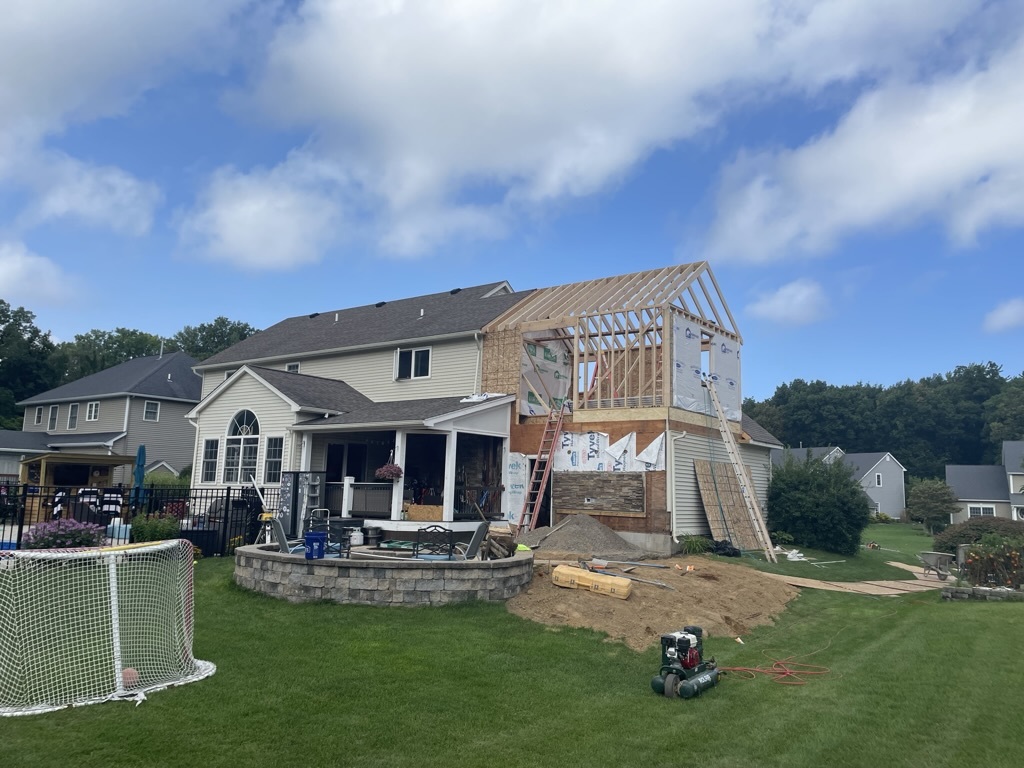
You have seen it before, even if you never put words to it. An addition that just looks wrong. The proportions are off, the roofline does not quite line up, the windows are a different style, the siding does not match, and the whole thing reads as obviously bolted on. The house looks like two houses awkwardly joined. On the other hand, you have surely seen additions so well integrated that you would never guess they were not part of the original home. The difference between those two outcomes is design, and specifically, how carefully the addition is matched to the existing architecture.
Getting this right is one of the most important and most overlooked aspects of any addition. A well-matched addition adds space and value while preserving the character and integrity of your home. A poorly matched one can actually detract from your home's appearance and value, no matter how nice the new space is inside. For homeowners in Rochester, Spencerport, and across Monroe County planning an addition, here is what goes into making new space look like it was always meant to be there.
Why Architectural Matching Matters So Much
An addition is a permanent change to your home, and it is the most visible kind. Unlike interior work that only you and your guests see, an addition changes how your house presents to the entire neighborhood. When it is done well, the result is a larger home that still looks cohesive, intentional, and true to its style. When it is done poorly, the addition stands out for all the wrong reasons.
There is real value at stake here too. A seamlessly integrated addition enhances your home's appearance and adds to its value. An obvious, mismatched addition can have the opposite effect, leaving the home looking patched together. Since you are making a significant investment in adding space, it makes sense to ensure that investment improves your home in every dimension, including how it looks from the street. The good news is that with thoughtful design, a beautifully matched addition is entirely achievable.
Matching the Rooflines
One of the biggest factors in whether an addition looks integrated is the roof. Rooflines are a defining feature of a home's architecture, and an addition with a roof that does not relate properly to the existing one is immediately noticeable. The pitch, the style, the overhangs, and how the new roof connects to the existing structure all need careful attention.
A well-designed addition either continues the existing roofline naturally or introduces a complementary roof form that feels intentional and harmonious. This is often one of the trickiest parts of addition design, and it is where experience really pays off. Getting the roof right does more than almost anything else to make an addition feel like part of the original home rather than an attachment.
Windows, Doors, and Proportions
Windows and doors carry a huge amount of a home's architectural character. Their style, size, proportions, and placement all contribute to how the house reads. An addition with windows that do not match the existing ones, in style, in proportions, or in how they are arranged, will look off even if everything else is right.
Matching the windows and doors, or thoughtfully complementing them, is essential to a cohesive result. This means paying attention to the window style, the grille patterns, the trim details, and how the openings are proportioned and spaced. The same goes for the overall proportions of the addition itself. A well-designed addition respects the scale and rhythm of the original home, so the whole thing feels balanced rather than lopsided.
Siding, Materials, and Finishes
The exterior materials are where matching becomes very visible and very literal. The siding, trim, and other exterior finishes on the addition need to match or intentionally complement the existing home. With siding, this can sometimes be a challenge, especially on older homes where the existing material has aged or is no longer made in the same style or color.
There are good strategies for handling this. Sometimes the existing siding can be matched closely. Sometimes a deliberate, complementary approach works better, treating the addition as a tasteful counterpoint rather than a mismatched copy. In some cases, re-siding a portion of the home along with the addition creates the most seamless result. The right approach depends on your home and your situation, and figuring it out is part of good addition design. The details of trim, rooflines, and material transitions are what separate a professional result from an amateur one.
Respecting the Home's Architectural Style
Every home has an architectural style, whether it is a classic colonial, a craftsman, a cape, a ranch, or something else. A great addition respects and works within that style. The design choices, from the roof to the windows to the details, should all reinforce the character of the home rather than fight it. An addition that ignores the home's style, even if it is attractive on its own, will always look like it does not belong.
This does not mean an addition has to be a slavish copy of the original. It means the new work should be in conversation with the existing home, honoring its proportions, its details, and its character. When that conversation is handled well, the addition feels like a natural evolution of the house rather than an interruption.
The Value of Experienced Design and Construction
Achieving a seamless addition takes both thoughtful design and skilled construction. The design has to get the rooflines, proportions, windows, and materials right on paper. Then the construction has to execute all of it precisely, tying the new structure into the old cleanly and handling all the transitions where new meets existing. Both halves matter, and both require real experience.
This is exactly the kind of work where a knowledgeable local builder makes the difference. We understand how homes in our area are built, we know how to design additions that respect a home's architecture, and we have the construction skill to bring those designs to life so the result looks and feels original. Matching an addition to a home is part craft and part art, and we take pride in getting it right.
Let's Design an Addition That Belongs
If you are planning an addition, making sure it integrates beautifully with your existing home is well worth the attention. The first step is a conversation about your home, its style, and what you want to add. Jason or Andrea Mallette will come to your home, look at the architecture, and help you understand how an addition can be designed to fit seamlessly, with no pressure and no obligation.
Jason and Andrea Mallette have been building additions for Rochester area families for over thirty years, and we bring real care to making new space look like it was always part of the home. We want your addition to enhance your house in every way, inside and out.
Contact Mallette Quality Construction today to schedule your free consultation. We serve Rochester, Spencerport, and all of Monroe County, NY. Call us at (585) 755-8699.
‹ Back
Recent Posts
-
Boosting Curb Appeal: Exterior Upgrades That Transform a Rochester Home
September 20, 2026
-
Aging-in-Place Bathrooms: Safety and Style That Work Together
September 16, 2026
-
Matching a New Addition to Your Home's Existing Architecture
September 11, 2026
-
-
Kitchen Lighting Done Right: Layering Light for Beauty and Function
September 2, 2026