
Blog
Insulation and Energy Efficiency: Making an Older Rochester Home Comfortable Year-Round
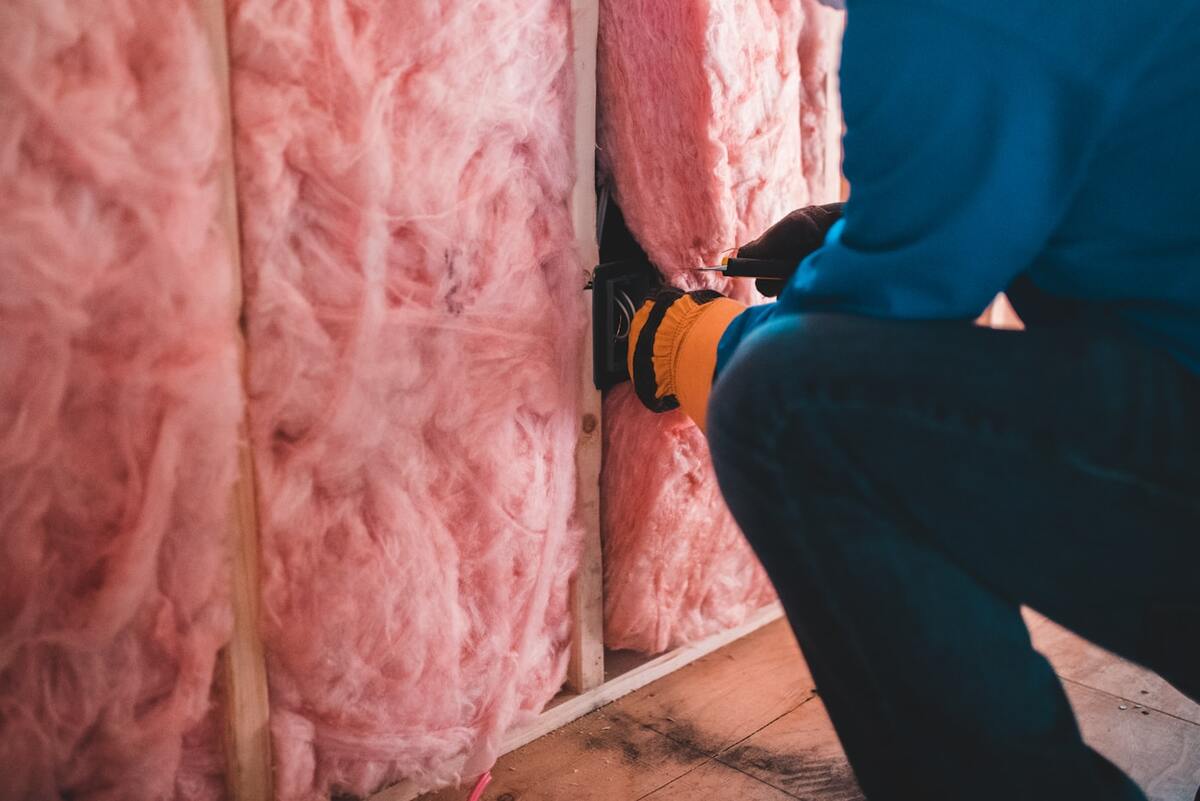
Every older home in the Rochester area has a room like it. The bedroom over the garage that never gets warm. The bonus room where you keep a space heater plugged in from November to April. The corner of the family room where everyone knows not to sit. The rest of the house is fine, so you assume it is just how the house is, and you close the door and move on.
Usually it is not just how the house is. Usually it is insulation and air sealing, and usually it is fixable. Homes built in this region across most of the last century were insulated to a standard that made sense at the time and does not hold up now, and many of them have gaps, compressed batts, or whole assemblies that were never insulated at all. In a climate where the heating season runs from October into April, that shows up as discomfort long before it shows up anywhere else.
Here is how to think about the comfort of an older Upstate New York home, and where the work actually pays off.
Air Sealing Comes Before Insulation
This is the single most misunderstood thing about home comfort. Insulation slows heat transfer. It does not stop air from moving. If there are gaps and penetrations letting air travel freely between conditioned and unconditioned space, adding more insulation on top of them is like putting a heavier blanket over an open window. It helps some, and it is not solving the actual problem.
Air sealing means finding and closing those paths. Around plumbing and wiring penetrations, at top plates, around chimney chases and recessed lights, at attic hatches, and at every place a builder cut a hole and moved on. It is unglamorous, detailed work, and it consistently makes more difference per hour spent than almost anything else in the building. Do the sealing first, then insulate. In that order, the insulation actually performs the way its rating says it should.
Start at the Top
Heat rises, and the attic is where most of it leaves. If you are going to address one assembly in an older Rochester home, that is the one. Many attics around here have a modest layer of original insulation that has settled and compressed over decades, has been pushed around by anyone who has ever stored anything up there, and no longer covers the joist bays evenly.
The attic is also the easiest place to get a genuinely good result, because there is usually room to work and the assembly is accessible. Sealing the ceiling plane, then bringing the attic up to a modern depth of insulation, changes how the whole top floor of a house feels. It is the change homeowners notice fastest.
Ice Dams Are an Insulation Problem
Every winter in Monroe County, homeowners look at icicles hanging off the eaves and think they have a gutter problem or a roof problem. Usually they have an insulation and ventilation problem. Ice dams form when heat escaping from the living space warms the roof deck, melts the snow sitting on it, and that meltwater runs down to the cold overhang and refreezes. The ridge of ice that builds up there backs water up under the shingles, and that is when it finds its way inside.
Chipping at the ice and running heat cables treats the symptom every year. Sealing the ceiling plane, insulating properly, and making sure the roof assembly is ventilated so the deck stays cold treats the cause. If you have been fighting the same ice dam in the same spot for several winters, that spot is telling you exactly where the heat is getting out.
Rim Joists, Knee Walls, and the Places Nobody Looks
The rim joist is the band of framing that sits on top of the foundation around the perimeter of the basement. In a lot of homes it was never insulated or was stuffed with a batt that does nothing to stop air movement. It is a surprisingly large amount of surface area, it is directly exposed to outdoor temperatures, and sealing and insulating it makes the first floor noticeably warmer underfoot.
Knee walls are the other common offender, particularly in Capes and story-and-a-half homes, which we have plenty of around here. The short vertical wall where the sloped ceiling meets the floor often has insulation with nothing holding it in place and open framing cavities behind it connecting straight to unconditioned attic space. That is why those upstairs bedrooms are cold. Rooms over garages have the same issue from below, with a floor assembly sitting over an unheated space that was often insulated poorly or not at all.
The Opportunity Inside a Remodel
Here is the practical part. The most efficient time to fix insulation is when the walls are already open for another reason. If you are remodeling a kitchen, finishing a basement, building an addition, or replacing siding, framing cavities and assemblies are exposed that will not be exposed again for decades.
We bring this up on nearly every project, because the incremental work is small when the wall is already open and substantial once it is closed. During a full exterior project it is the right moment to look hard at what is behind the siding. During a gut kitchen it is the right moment to address the exterior wall behind the cabinets. Taking advantage of that timing is one of the quiet advantages of working with a builder who is thinking about the whole house rather than just the room on the contract.
Choosing the Right Material for the Assembly
There is no single best insulation, only the right one for a given assembly. Fiberglass and mineral wool batts work well in open, regular framing bays when they are cut properly and installed without compression or gaps, and the installation quality matters enormously. Blown cellulose and blown fiberglass are excellent for attics and for filling closed wall cavities in an existing home without opening them up.
Spray foam does two jobs at once, insulating and air sealing, which makes it valuable in specific places like rim joists, cathedral ceilings, and irregular cavities where a batt could never fit correctly. Rigid foam board has its own uses, particularly on foundation walls and for breaking thermal bridges. The right approach usually combines several of these based on what each part of the house needs.
Comfort Is the Real Return
Insulation work does reduce energy use, and lower heating bills are a genuine benefit over a long Upstate winter. But the reason homeowners tell us they are glad they did it is almost always comfort. Rooms that are actually usable in January. Floors that are not cold. A furnace that is not running constantly. No more space heater in the corner. A house that feels even from one room to the next instead of having territories you avoid for four months a year.
That is the thing about building performance work. You do not look at it, and no guest ever compliments it, but you live inside the result every single day of the winter.
Let's Talk About Your Home's Comfort
If there is a room in your house you have given up on, it is worth having someone look at why. Jason or Andrea Mallette will walk through your home with you, look at the attic, the rim joists, the problem rooms, and how the assemblies were built, and give you an honest read on what is going on and what would actually fix it.
Jason and Andrea Mallette have been working on Rochester area homes for over thirty years, and we understand how homes in this climate are built and where they lose their heat. Whether it is a targeted fix or part of a larger remodel, we will help you get a house that is comfortable in every room.
Contact Mallette Quality Construction today to schedule your free consultation. We serve Rochester, Spencerport, and all of Monroe County, NY. Call us at (585) 755-8699.
‹ Back
Recent Posts
-
-
-
-
-
Lakefront and Waterfront Home Builds: Designing for Upstate NY's Shorelines
September 29, 2026