
Blog
5 Things To Know Before Building A Home Addition
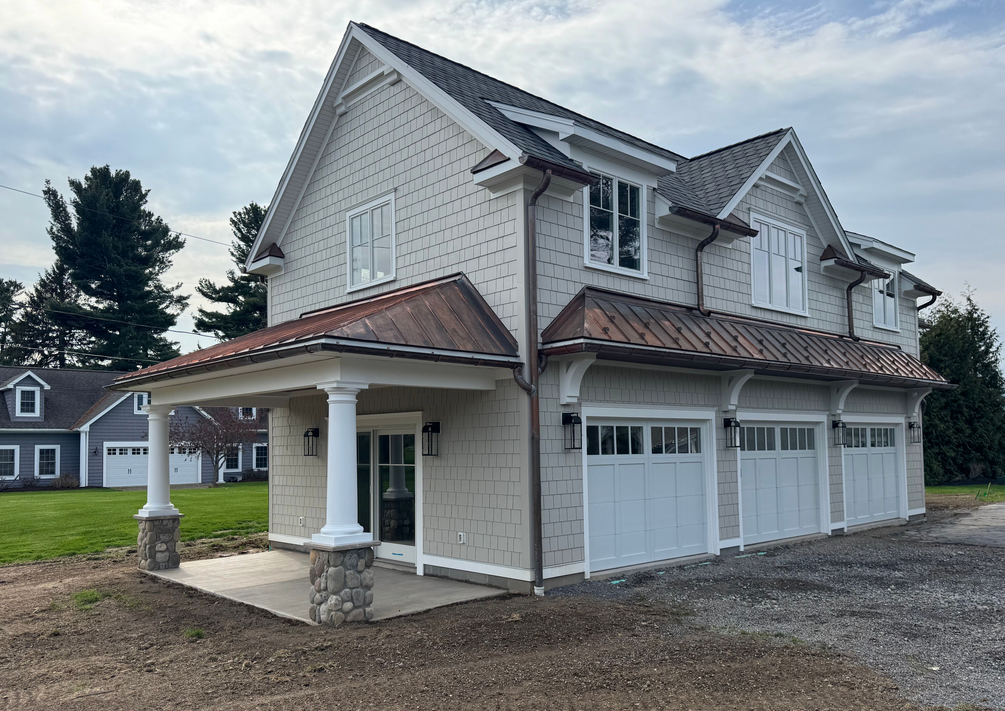
A home addition is one of the most rewarding projects a homeowner can take on. More space, more functionality, more value, all without the disruption and expense of moving. But it's also a significant undertaking, and going in without the right information can lead to costly surprises down the road.
At Mallette Quality Construction, we've built home additions throughout Rochester, Spencerport, and Monroe County for decades. Here's what we wish every homeowner knew before getting started.
1. Permits Are Not Optional
Any structural addition to your home in Monroe County requires permits. This isn't a formality you can skip or deal with after the fact. Unpermitted additions create serious problems when it comes time to sell your home, can affect your homeowner's insurance, and may need to be torn down or brought up to code at your expense if discovered.
The permitting process involves submitting plans, having them reviewed by your local building department, scheduling inspections at key stages of construction, and receiving a certificate of occupancy when the work is complete. It takes time, and that time needs to be factored into your project timeline from the start.
A good contractor handles this process for you. At Mallette Quality Construction, permitting is part of how we manage every addition project so you're never left navigating local requirements on your own.
Have questions about the permitting process in Monroe County? We're happy to walk you through it.
2. Your Existing Home's Structure Matters More Than You Think
Before an addition can be designed and built, someone needs to take a hard look at what your existing home can support. The foundation, load-bearing walls, roof structure, and mechanical systems all factor into what's possible and how the addition needs to be designed to connect properly.
For example, tying a new roof into an existing roofline requires careful planning to avoid water infiltration issues. Adding square footage to a home with an older electrical panel may require an upgrade to support the added load. A second-story addition requires the existing structure below to be assessed for its ability to carry the new weight.
This is one of the biggest reasons experience matters when choosing a contractor. Knowing what to look for before a single wall is framed prevents problems that are far more expensive to fix once construction is underway.
3. The Design Phase Is Worth Taking Seriously
It's tempting to rush through planning and get straight to building, especially when you're excited about the finished product. But decisions made quickly in the design phase have a way of becoming regrets once the walls are up.
Think carefully about how the new space will connect to and flow with your existing home. Consider ceiling heights, window placement, and natural light. Think about how the exterior of the addition will match or complement your home's current roofline, siding, and trim. A well-designed addition should look like it was always part of the house, not something that was attached as an afterthought.
Take your time here. Walk through the space in your mind. Ask your contractor questions. The more clearly you can articulate what you want before construction begins, the better the result will be.
4. Plan for Disruption and Build in Buffer Time
Home additions are construction projects, and construction projects are inherently disruptive. Depending on the scope and location of the addition, you may be dealing with noise, dust, limited access to parts of your home, and workers on your property regularly for weeks or months.
Weather also plays a role, especially in upstate New York. A project that starts in late fall may encounter delays due to frozen ground, snow, or conditions that make certain phases of work impractical. A realistic timeline accounts for these variables rather than assuming everything will go perfectly from day one.
That doesn't mean your project will drag on indefinitely. It means setting expectations honestly so you're not caught off guard. A contractor who gives you a timeline with no room for any contingency is either very optimistic or not being straight with you.
5. The Contractor You Choose Makes or Breaks the Project
This is the most important thing on this list. A home addition is only as good as the team building it. The materials, the design, the permits, all of it depends on having a contractor who knows what they're doing, communicates clearly, and takes ownership of the outcome.
Look for a contractor with documented local experience, verifiable references, proper licensing and insurance, and a hands-on approach to managing the work. Be cautious of unusually low bids, vague contracts, or contractors who are hard to reach before you've even signed anything. Those patterns tend to get worse, not better, once the job starts.
The right contractor will make the process feel manageable. They'll keep you informed, flag issues before they become problems, and deliver a finished addition that adds real value to your home and your life in it.
Thinking About Adding On to Your Rochester or Spencerport Home?
Mallette Quality Construction has been building home additions throughout Rochester, Spencerport, and Monroe County for decades. We're a family-owned team led by Jason Mallette, and we manage every phase of every addition project, from permitting and design through framing, finishing, and final walkthrough.
If you're thinking about an addition and you want to talk through what's involved, we'd love to have that conversation. We'll give you an honest assessment of your project and a straightforward estimate with no pressure and no runaround.
Contact Mallette Quality Construction today to schedule your free estimate. We serve Rochester, Spencerport, and all of Monroe County, NY.
‹ Back
Recent Posts
-
-
-
-
-
Lakefront and Waterfront Home Builds: Designing for Upstate NY's Shorelines
September 29, 2026